


Стандартный или индивидуальный сыпучий материал
Что лучше для вашего проекта?
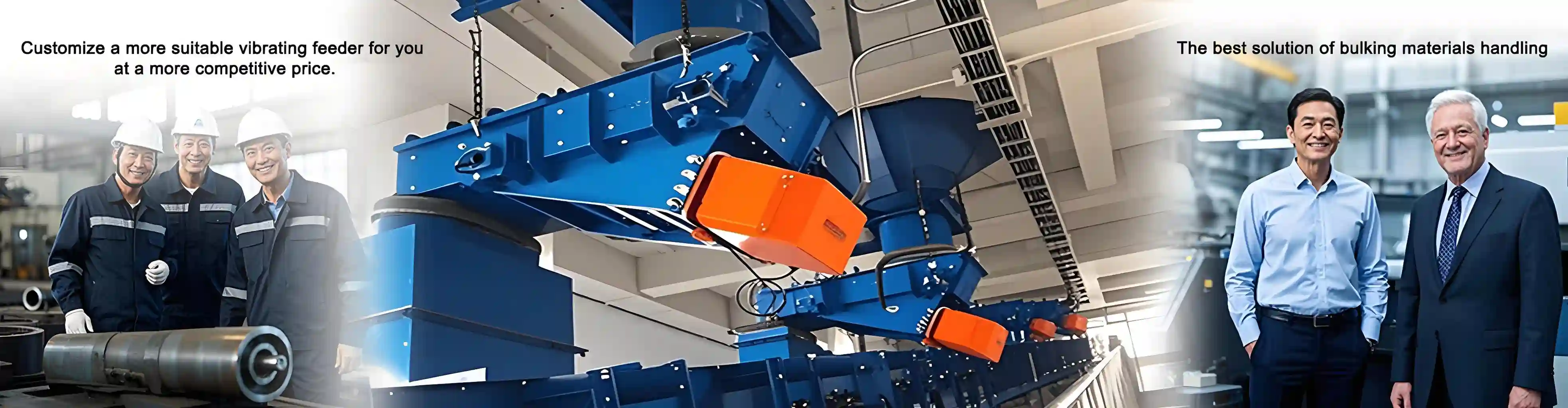
Т Однородность и стабильность транспортировки сыпучих материалов напрямую определяют эффективность производственной линии и качество продукции. Вибрационные питатели, являясь основным соединительным элементом силосов и последующего оборудования, представляют собой незаменимое вспомогательное оборудование во многих отраслях промышленности. Данная статья предоставляет предприятиям профессиональные рекомендации по точному выбору моделей по трем параметрам: классификация моделей, научный подход и промышленное применение.
Разнообразные модели адаптируются к различным потребностям: расшифровка типов вибрационных питателей
Вибрационные питатели
Обеспечивают точную транспортировку материалов на основе принципа вибрации. В зависимости от источника вибрации и конструкции, их можно разделить на три основные модели, адаптированные к различным условиям эксплуатации.
Электромагнитные вибрационные питатели ориентированы на точную транспортировку. Благодаря использованию электромагнитной возбуждающей силы, они отличаются простой конструкцией, низким энергопотреблением, низким уровнем шума, бесступенчатой регулировкой скорости и высокой точностью подачи. Они подходят для отраслей с высокими требованиями к точности и гигиеничности, таких как пищевая, фармацевтическая промышленность и производство литиевых батарей, и применимы для порошкообразных и гранулированных мелкодисперсных материалов.
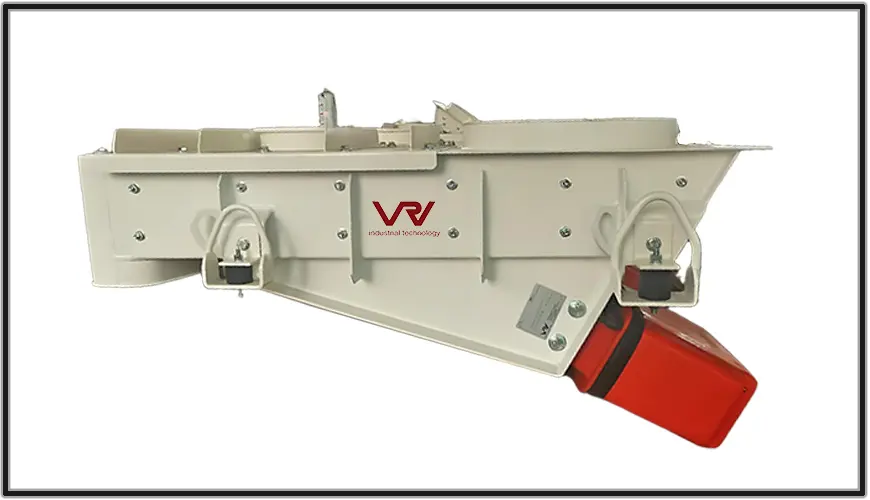
Электромагнитный вибрационный питатель со стабильной подачей и регулируемой скоростью потока, подходит для порошкообразных и гранулированных материалов.
Вибрационные питатели с электродвигателями ориентированы на высокую прочность и долговечность при больших нагрузках. Благодаря использованию вибрационных двигателей в качестве источника возбуждения, они обладают мощным возбуждающим усилием, большой производительностью, удобством в обслуживании и могут работать непрерывно 24 часа в сутки. Они подходят для условий с большими нагрузками, таких как горнодобывающая промышленность, угольная промышленность и производство строительных материалов, и предназначены для транспортировки сыпучих материалов, как комковатых, так и гранулированных.
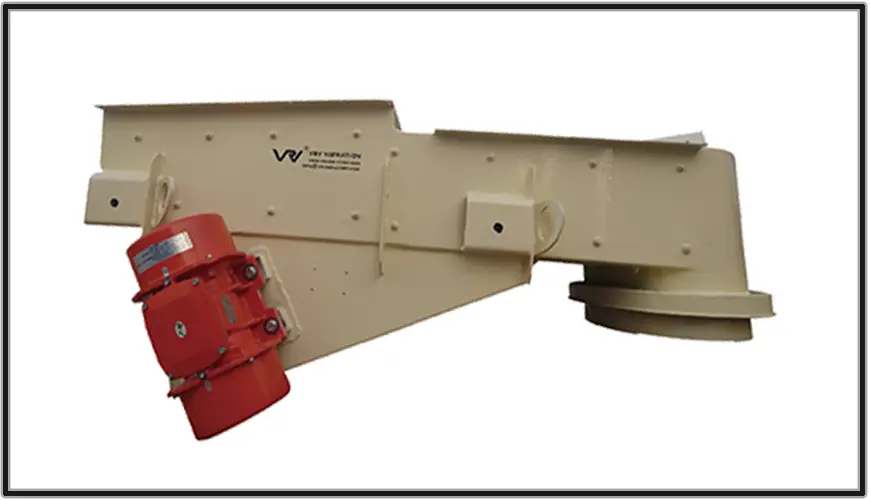
Вибрационный питатель с электроприводом, большой вместимости, прочной конструкцией и надежной работой для промышленного производства.
Трубчатый и желобчатый типы являются дополнительными моделями: трубчатый тип имеет полностью закрытую конструкцию, предотвращающую утечку пыли, и подходит для таких отраслей, как химическая промышленность и порошковая обработка; желобчатый тип имеет открытый желобчатый корпус, что удобно для наблюдения и очистки, широко используется в строительстве, металлургии и других отраслях промышленности и подходит для обработки материалов неправильной формы.
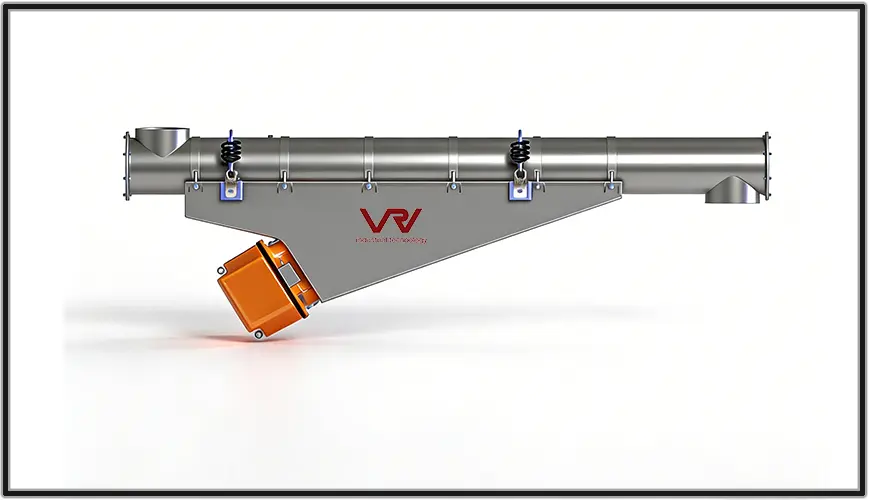
Вибрационный питатель с герметичной трубкой, обеспечивающий беспыльную и чистую транспортировку порошкообразных, мелкозернистых и опасных материалов.
Научный отбор, позволяющий избежать ошибок: 3 шага к выбору правильного оборудования.
Научный подход к выбору оборудования является предпосылкой для эффективной работы техники, что позволяет избежать растраты ресурсов. Следующие три ключевых момента помогают точно подобрать модели.
Шаг 1
:
Уточните характеристики материала. Для порошкообразных и вязких материалов предпочтительны электромагнитные вибрационные питатели; для комковатых и тяжелых материалов — моторизованные вибрационные питатели; для пылеобразующих и герметичных материалов — трубчатые модели. Одновременно с этим, сконфигурируйте адаптивные компоненты в соответствии с влажностью материала и его износостойкостью.
Шаг 2:
Соответствие производственным потребностям. Для малых и средних объемов производства и высоких требований к точности выбираются электромагнитные модели; для больших объемов производства и непрерывного выпуска предпочтение отдается моделям с электроприводом; для многолинейных производственных процессов на одном станке можно выбрать модели с несколькими выходами, а способ установки может быть выбран в соответствии с планировкой цеха.
Шаг 3: Соответствие отраслевым стандартам. Для пищевой и фармацевтической промышленности выбираются модели из нержавеющей стали, соответствующие стандартам FDA; для суровых условий эксплуатации, таких как химическая промышленность и горнодобывающая промышленность, выбираются взрывозащищенные и коррозионностойкие модели; для производства литиевых батарей выбираются модели с бесступенчатой регулировкой скорости и точностью подачи ±2%.
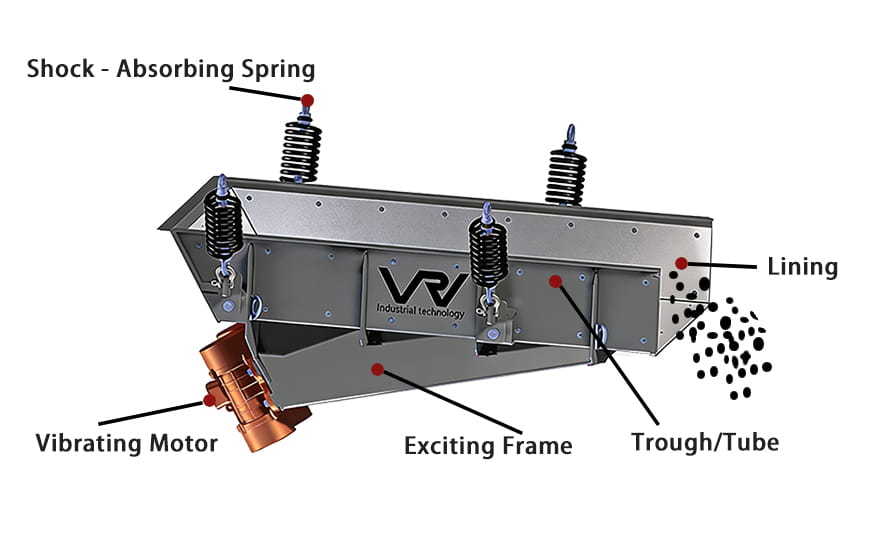
Схема вибрационного питателя VRV с двигателем, показывающая основные компоненты, включая вибрационный двигатель, амортизирующую пружину, возбуждающую раму, желоб/трубу и футеровку, предназначенного для промышленной транспортировки сыпучих материалов.
Комплексный охват множества отраслей, позволяющий повысить качество и эффективность производства.
Благодаря высокой адаптивности, вибрационные питатели широко используются во многих ключевых отраслях промышленности, таких как горнодобывающая, химическая, пищевая и производство литиевых батарей, способствуя повышению качества и эффективности.
1. В горнодобывающей промышленности, в качестве оборудования для дробления и грохочения, оно обеспечивает равномерную транспортировку руды и угля, предотвращает засоры, повышает эффективность и снижает износ оборудования.
2. Применение в химической промышленности и производстве литий-ионных аккумуляторов: точная подача коррозионно-активного порошка, карбоната лития и других сырьевых материалов, обеспечение точной дозировки и стабильного качества продукции. Закрытая конструкция предотвращает загрязнение материалов и утечки.
3. Для пищевой и фармацевтической промышленности модели из нержавеющей стали соответствуют стандартам CIP/SIP-очистки, адаптированы для транспортировки мелкодисперсных материалов и обеспечивают баланс между эффективностью и соблюдением гигиенических норм.
Кроме того, в таких отраслях, как фотовольтаика, строительные материалы и переработка отходов в целях охраны окружающей среды, вибрационные питатели также могут адаптироваться к различным потребностям транспортировки, помогая предприятиям оптимизировать процессы и снизить затраты.
Выбор вибрационных питателей напрямую влияет на стабильность производственной линии. Только научный подход к выбору может в полной мере раскрыть ее потенциал. В будущем система будет развиваться в сторону интеллектуальных решений и индивидуальной настройки, постоянно расширяя возможности различных отраслей промышленности.
Как надежный поставщик промышленного оборудования, VRV является профессионалом производитель вибрационных питателей Наша компания специализируется на проектировании и производстве высокоэффективного, стабильного и надежного подающего оборудования для транспортировки сыпучих материалов. Мы сочетаем богатый отраслевой опыт с индивидуальными решениями, чтобы помочь клиентам выбрать наиболее подходящий вибрационный питатель, оптимизировать эффективность производства и обеспечить долгосрочную стабильную работу.
позвони нам :
008617855911791 электронная почта : sales@vrvibratory.com


 поддерживается сеть ipv6